


Curio - Antique Identifier
4.7258.00 Reviews
App Specs
- Version
- 1.9.0
- Updated On
- License
- Free
- Downloads
- 100,000+
- Developer
- Dionysus Labs, LLC
- Categories
- Lifestyle
- Platform
- Android
Screenshots
 Analysis by AppCompare
When I first use an antique-identification app, I want to know what it can realistically do before I trust it with a family keepsake or a purchase. Curio - Antique Identifier is a free lifestyle app from Dionysus Labs, LLC, built around identifying objects from pictures. Its focus is broad—antiques, vintage pieces, jewelry, art, and coins—so it is most useful as a first stop for curiosity, not as a substitute for an in-person specialist when money or provenance is at stake.
The reassuring way to begin is with an ordinary object rather than your most valuable one. Choose a piece you can handle safely, take a clear picture, and treat the result as a lead to investigate. That small first test helps set the right expectations: image-based identification can suggest what an object resembles, but a photograph cannot reveal every material detail, repair, maker’s mark, or history. I would use Curio to get oriented and decide what to look at next, not to make an irreversible buying or selling decision.
What to expect from a picture-based identification
The app’s appeal is the short path from “I don’t recognize this” to a possible name, style, or category. That is handy when you find an unfamiliar brooch in a box of family belongings or spot a decorative object at a flea market and want a starting point for research. The broad subject range also makes it more flexible than an app devoted only to coins or jewelry, although broad coverage does not guarantee that every unusual object will be identified precisely.
Before taking a picture, think about what a knowledgeable person would need to see. A single attractive front view may hide the feature that matters most: the underside of a vase, a clasp on a necklace, a signature on a print, or a mint mark on a coin. I recommend photographing the whole object first, then taking separate close views of labels, marks, joins, damage, or distinctive details if the app allows you to submit more than one image. If it accepts only one image for a particular identification, make that image show the clearest distinguishing feature without cropping away the object’s context.
Lighting matters for practical reasons. Glare can erase a mark, while deep shadows can make a surface look darker or more textured than it is. A window-lit table and a plain background are often more useful than a dramatic display. For shiny jewelry or coins, shift the angle slightly rather than relying on a flash; reflections can obscure exactly the small detail you hope the app will recognize. These are simple steps, but they can make an uncertain result easier to interpret.
Getting Started with Curio
First things first, downloading Curio - Antique Identifier is a breeze. Available for both Android and iOS, you can find it easily on your respective app store. Once you have it installed, you're greeted with a slick, intuitive interface that makes you feel like a treasure hunter ready to embark on an exciting adventure.
Setting up the app is straightforward. You’ll need to create an account, which is as simple as entering an email and password. Once you're in, the world of antiques is at your fingertips. The app features a simple camera interface. Point, shoot, and let Curio do its magic. It’s like having a personal expert in your pocket.
Worth Reading Before You Choose

EA SPORTS FC Mobile 26 Is a Bigger Football Game, but It Takes Time

Flipboard Shows What News Apps Must Do Beyond the Feed

Switching to Android Auto Means Rethinking Your Driving Routine

Google Calendar Makes a Crowded Week Easier to Manage

Ludo King Makes the Most of the Minutes Between Plans

Baby Panda World Brings Quick Play to Modern Phones, but Its Game Library Feels Busy
A sensible first test, before the heirloom
For a first successful attempt, I would pick an object with a clear silhouette and a visible point of distinction: a coin with readable markings, a piece of jewelry with an obvious setting, or a small decorative item with a recognizable shape. Keep the lens steady and frame the item so it fills much of the picture without cutting off its edges. If the first answer feels too broad, try a second photo that emphasizes a mark or construction detail rather than simply repeating the same view.
There is a useful distinction between identification and authentication. A suggested period, style, or object type can help you search more intelligently, but it does not prove that a piece is old, genuine, or made by a particular person. Replicas can imitate familiar designs, and two objects that look alike may differ in material, workmanship, or history. I would treat any result as a hypothesis, then compare it with physical clues and reliable specialist references before assigning serious value.
The Magic Behind the Lens
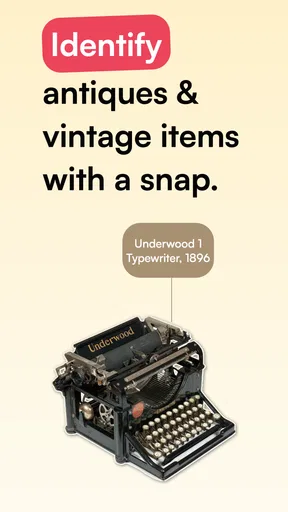
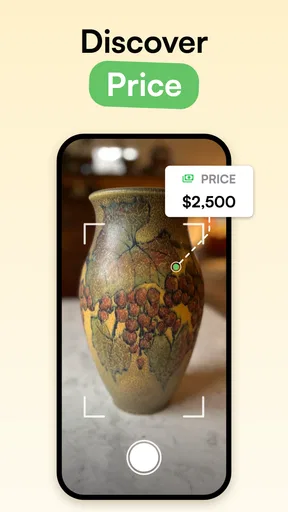
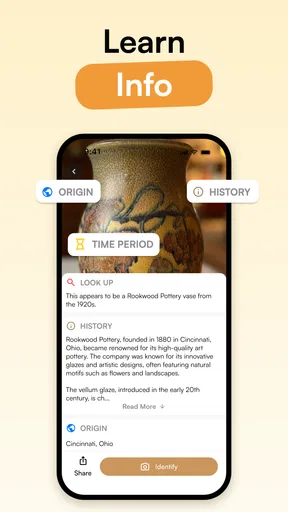
Now, onto the good stuff—how does it work? The app uses a powerful image recognition technology to identify antiques. Simply take a photo of your item, and within seconds, Curio provides you with detailed information about it. It’s not just about naming the item; the app dives deep into its history, origin, and approximate value. It's like having the Antiques Roadshow in the palm of your hand.
What really impressed me was the accuracy and depth of information provided. I tested it with a variety of items, from vintage jewelry to an old typewriter, and Curio didn’t miss a beat. It even identified a peculiar vase that had been a mystery in my family for years! The app offers a delightful blend of education and entertainment, turning every antique into a story waiting to be told.
Reading a result without over-trusting it
The most useful way to read an identification is to separate the parts that can be checked from the parts that remain estimates. A proposed object name or design family gives you terms to search; a suggested origin or age needs stronger evidence; and an approximate value is especially sensitive to condition, authenticity, demand, and where a sale takes place. Even a convincing description should not be treated as a formal appraisal or a promise that a buyer will pay a particular amount.
If an object might be valuable, compare the app’s wording with details you can inspect yourself. Look for a signature or maker’s mark, note whether the construction seems consistent with the suggested period, and photograph any damage honestly. For jewelry, the back and fastening can matter as much as the face; for a painting or print, a visible signature alone is not proof of authorship; for coins, wear and small mint details can change a judgment. When the stakes are meaningful, a qualified appraiser or dealer who can examine the object in person is the safer next step.
A realistic use for Curio is sorting a mixed box after a relative moves or passes belongings on to family. I would photograph each item in a consistent way, write down the app’s suggested identification alongside any marks I can see, and keep uncertain pieces separate from those that are clearly ordinary household objects. That makes the first pass less overwhelming, but it also avoids the trap of treating a quick image result as a final inventory or insurance valuation.
Features that Stand Out
Beyond identification, Curio also offers a community feature. Here, you can connect with fellow antique enthusiasts, share your finds, and even get second opinions. It’s like joining a club of treasure hunters who are just as passionate about history as you are.
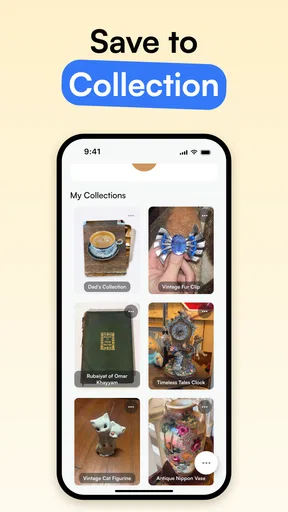
The app also keeps a personal collection of all the items you’ve identified. This feature is fantastic for keeping track of your discoveries and even for insurance purposes. Plus, the app offers a neat little feature that suggests similar items and their market trends, which is perfect if you’re considering selling.
One of the highlights for me was the integration of expert articles and blogs within the app. These are written by antique experts and enthusiasts, providing insights into different types of collectibles and historical contexts. It’s a treasure trove of knowledge, perfect for those who love to dig deeper.
Making a collection useful, not just tidy
A personal record becomes more valuable when you add your own observations instead of relying only on an app’s suggested label. I would note where an object came from, the measurements, visible damage, and any marks that do not appear clearly in the photograph. That context can help distinguish similar pieces later, especially if several items share a style. It also gives you something concrete to take to a specialist if you decide to seek a professional opinion.
For a potential sale, similar-item suggestions and market information are best used to form questions, not to set an asking price automatically. Comparable objects may differ in condition, completeness, authenticity, and sales setting. A listing price is not the same as a completed sale, and a broad market trend cannot account for the specific object in your hand. I would use Curio to learn the vocabulary and find possible comparisons, then check relevant completed sales or consult someone familiar with that kind of collectible.
The community can add perspective, but a second opinion from another enthusiast is still not the same as authentication. When sharing pictures, avoid including personal documents, a home address, or other identifying details in the frame. For especially valuable or sensitive family items, I would first consider whether I am comfortable sharing images at all. The best value of a community is often learning what details other collectors notice, rather than asking strangers to settle a high-stakes question from one photo.
Where it fits among other ways to identify antiques
Compared with a general web search, Curio offers a more direct starting point because the object itself is the prompt. A web search can be stronger once you know a likely maker, material, or style, but it can be frustrating when you do not know which words to use. A specialist reference book or collector’s guide may provide deeper, carefully organized information for a narrow subject, yet it takes more effort and may not cover an unexpected object. Curio sits between those options: quick visual orientation first, focused research afterward.
It is also different from asking an antiques dealer or appraiser to inspect the item. A person can handle an object, examine its weight and construction, and ask about its history; a picture-based tool cannot replace that examination. For a casual find, a first-pass identification may be all you need. For an inheritance, insurance paperwork, a costly purchase, or a planned sale where the price matters, I would use the app to prepare for a conversation with a qualified professional, not to avoid one.
The User Experience
Using Curio is a joy. The app is designed with user experience in mind. It's fast, responsive, and doesn’t bombard you with ads, which is a huge plus. The design is clean and modern, making navigation a breeze. Whether you’re a tech novice or a seasoned app user, you’ll find Curio easy to use.
While the app offers a basic free version, there’s also a premium option available. The premium version unlocks additional features like more detailed valuations and historical data. If you’re serious about your antiques, the upgrade might just be worth it.
Cost, expectations, and who should choose it
The app is free to download, with in-app purchases listed from $4.99 to $59.99 per item. I would start with the free experience and decide whether the extra detail is useful for the kinds of objects I actually have, rather than paying simply because I hope a more detailed result will guarantee accuracy. A paid valuation feature can provide more information, but it cannot remove the limits of judging an object from pictures or replace a professional inspection.
Curio is a good fit if you enjoy learning about vintage objects, regularly browse flea markets, or need help turning an unfamiliar item into a more focused research question. It may also suit someone cataloguing a collection for personal interest. I would skip it as a sole authority if I needed a legally or financially dependable appraisal, if the item’s identity depends on subtle physical testing, or if I already know the specialist field and want a rigorous reference rather than a quick visual suggestion.
The app has an average rating of 4.5 from around 2.2 thousand ratings, with about 190 written reviews and over 100 thousand installs. It is rated for Everyone, and version 1.8.1 supports Android 7.0 or later. Those details make it accessible to a broad range of users, but I would still judge it by whether its results help with my own objects and research habits rather than by popularity alone.
Final Thoughts
In a world where everything is moving digital, Curio - Antique Identifier offers a delightful bridge between the past and present. Whether you're a curious collector, a history buff, or just someone with a penchant for the unique, this app is a must-have. It transforms the process of identifying and understanding antiques into an engaging and educational experience.
So, the next time you stumble upon an odd little object and find yourself wondering about its story, whip out your smartphone, fire up Curio, and let the adventure begin. Because every antique has a tale to tell, and with Curio, you’ve got the perfect storyteller right in your pocket.
I would keep one practical rule in mind as I use it: let the app make me more curious, not more certain than the evidence deserves. A helpful first identification can save time, suggest what to photograph next, and give me the right words to continue researching. When authenticity or money is on the line, I would take those clues to a human expert who can inspect the object directly.
Pros
- Accurate identification of antiques.
- User-friendly interface for all ages.
- Wide database of collectible items.
- Regular updates with new features.
- Offline mode for remote areas.
Cons
- Limited free features available.
- Occasional misidentification errors.
- Requires internet for full database.
- In-app ads can be intrusive.
- Subscription needed for premium tools.
FAQs for Curio - Antique Identifier
What is Curio - Antique Identifier, and how does it work?
Curio - Antique Identifier is an app designed to help users identify and learn about antiques and collectibles. By simply taking a photo of an item, the app uses advanced image recognition technology to provide information about its age, origin, and potential value. It’s a handy tool for collectors, dealers, or anyone interested in antiques.
Is Curio - Antique Identifier accurate in identifying antiques?
While Curio employs sophisticated algorithms to recognize and identify antiques, its accuracy can vary based on the quality of the image and the uniqueness of the item. It’s advisable to use the app as a starting point and consult additional sources or experts for confirmation, especially for high-value items.
Does Curio - Antique Identifier require an internet connection?
Yes, Curio requires an internet connection to function effectively. The app relies on a vast online database to compare images and provide accurate information about the items. Therefore, users must be connected to Wi-Fi or mobile data to use its identification features.
Is Curio - Antique Identifier free to use, or are there any costs involved?
Curio offers a free version with basic features, but there might be limitations on the number of identifications per day. To access more advanced features, such as unlimited identifications and detailed reports, users may need to subscribe to a premium version, which requires a fee.
What devices are compatible with Curio - Antique Identifier?
Curio is available on both Android and iOS platforms, making it accessible to a wide range of smartphone users. Ensure that your device meets the minimum operating system requirements for optimal performance, which can usually be found on the app’s download page in the respective app stores.


